Argentina in August corresponds to the heart of the Southern Hemisphere winter. Temperatures, sunlight conditions, and road accessibility vary significantly between the subtropical north and the icy Patagonia. This seasonal reversal compared to Europe influences the choice of regions to prioritize, the activities available, and the attendance at sites.
Winter 2026 confirmed this trend: the first half of the year recorded a record in inbound tourism with 3.1 million foreign visitors, and the winter holidays (July-August) attracted 4.6 million tourists, marking an increase of 5.9% compared to 2025. The most booked destinations in August remain San Carlos de Bariloche, Buenos Aires, Puerto Iguazú, Mendoza, and Salta, with occupancy rates often exceeding 80%.
Argentinian climate in August: three zones, three realities
Understanding the country’s climatic geography avoids unpleasant surprises. Argentina stretches over 3,000 kilometers from north to south, creating three main travel zones in winter.
The northwest of Argentina (Salta, Jujuy, Tucumán) enjoys dry and sunny days in August. It is the ideal season to explore the Calchaquí Valleys or the Quebrada de Humahuaca without rain or oppressive heat. Nights are cold at high altitudes, but afternoons remain pleasant.
The subtropical northeast (Misiones, Corrientes) offers mild temperatures. The Iguazú Falls benefit from a moderate flow that makes access to the walkways easier and reduces the mist compared to summer, improving visibility of the panorama.
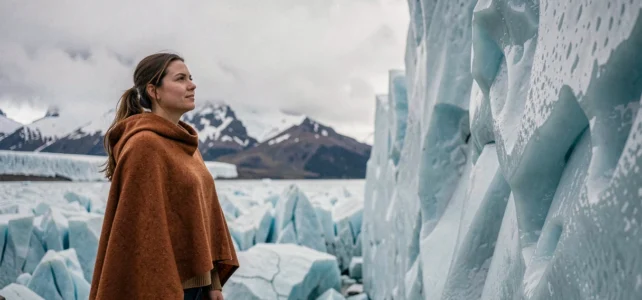
Patagonia and Tierra del Fuego experience a harsh winter. Some roads are closed, snow covers hiking trails at high altitudes, and days are short. However, ski resorts like Cerro Catedral near Bariloche are in full swing. The Perito Moreno Glacier remains accessible year-round from El Calafate, even in August.
To identify other places to visit in Argentina in August according to your traveler profile, considering these climatic zones remains the first decision filter.
Salta and the Quebrada de Humahuaca: the northwest in dry season
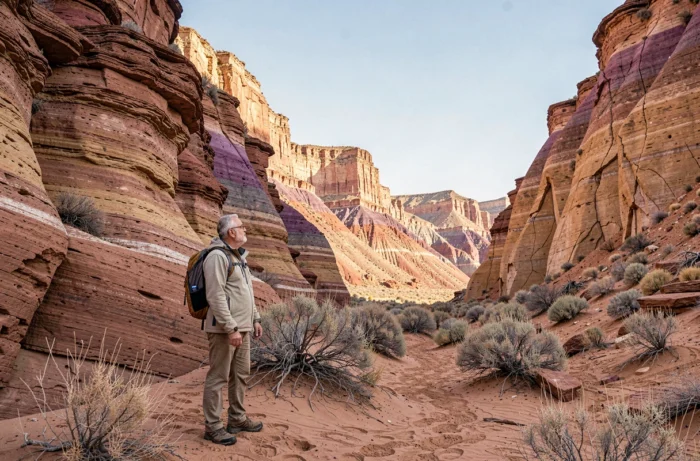
August falls right in the dry season in the northwest, making it the best month to explore this region. The UNESCO World Heritage-listed Quebrada de Humahuaca reveals its multicolored geological layers under a clear sky almost every day.
From Salta, several loop routes allow you to combine:
- The crossing of the Salinas Grandes, a vast white salt desert located over 3,000 meters above sea level, accessible by car from Purmamarca
- The road to Cachi via the Cuesta del Obispo, a winding pass that traverses landscapes of giant cacti and deep valleys
- The wine villages of Cafayate, in the Calchaquí Valleys, where the torrontés grape produces an aromatic white wine unique to this region
The city of Salta itself deserves a day. The colonial architecture, the artisan market, and the northern gastronomy (empanadas salteñas, locro) offer a cultural break between excursions.
Buenos Aires in winter: long stays and cultural life
The capital experiences a mild winter in August, with cool temperatures but rarely freezing. Since 2024, a clear trend has emerged: international visitors are extending their winter stay in Buenos Aires, averaging 5.2 nights in 2024 to 8.5 nights between May and August 2026.
This evolution is partly explained by the concentrated cultural offerings during this period. The theaters on Avenida Corrientes feature a packed schedule, tango milongas operate every evening, and museums (MALBA, Museo Nacional de Bellas Artes) host temporary exhibitions that attract an international audience.
San Telmo and the La Boca neighborhood
The Sunday market in San Telmo remains active in August. Antique dealers, street food stalls, and street musicians create an atmosphere that the winter chill makes more intimate than in the height of summer. La Boca, with its colorful houses on Caminito, can be visited in half a day.
Buenos Aires also serves as a logistical starting point. Domestic flights to Salta, Iguazú, Mendoza, or El Calafate depart from Jorge Newbery Airport (Aeroparque), located in the heart of the city.

Patagonia and glaciers: what remains accessible in August
Patagonia in August requires a compromise. The major hikes in El Chaltén (Laguna de los Tres, Laguna Torre) are often impractical due to snow and wind. The Perito Moreno is the notable exception: the walkways facing the glacier remain open, and ice block breaks occur year-round.
Bariloche primarily attracts ski enthusiasts in August. The Cerro Catedral ski resort, the largest in South America, offers a varied ski area. The town itself, on the shores of Lake Nahuel Huapi, retains its alpine charm with its chocolate shops and craft breweries.
Mendoza: vineyards and snowy Andes
Mendoza in August combines malbec tasting and mountain landscapes. The vineyards of Luján de Cuyo and the Valle de Uco welcome visitors year-round. The view of the snow-capped Aconcagua from the wineries provides a setting that summer cannot replicate.
Routes to the Christ Redeemer of the Andes or Puente del Inca may be closed due to snow. Checking the condition of provincial roads before planning a high-altitude trip remains a necessary precaution during this season.
Iguazú Falls in August: reduced crowds and controlled flow
Iguazú National Park, on the border with Brazil, is comfortably visited in August. The flow of the falls decreases compared to the rainy season, but the waterfalls remain spectacular with better visibility of the Garganta del Diablo.
Tourist attendance drops significantly compared to the summer months. The lines for the ecological train and walkways are shorter. The park’s wildlife (coatis, toucans, capuchin monkeys) is easier to observe in the morning calm.
Puerto Iguazú, the neighboring town, offers complementary excursions to the Jesuit missions of San Ignacio Miní or the marshes of the Esteros del Iberá, an ecosystem of wetlands still little frequented by international tourism.
Argentina in August rewards travelers who embrace the Southern Hemisphere winter as an advantage rather than a constraint. The dry northwest, Buenos Aires in cultural mode, accessible glaciers, and Iguazú Falls without the crowds create a coherent itinerary that the summer months do not allow to combine as easily.