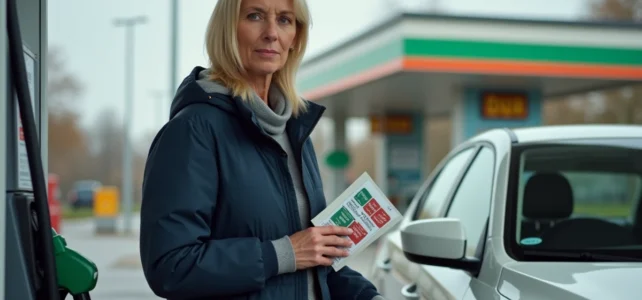
We’re going on vacation, the tank is almost empty, and we have a vacation checkbook in the glove compartment. Logical reflex: pay for the fuel with it. The problem is that service stations do not accept ANCV checks for paying for gasoline or diesel. Neither at the pump nor at the cash register. This restriction is stated in the ANCV’s terms of use, and no brand (TotalEnergies, Shell, Leclerc, Intermarché) makes an exception.
The good news is that we can still lighten the fuel bill by using these checks on other expenses during the trip. We just need to know which ones, and how to go about it concretely.
Tolls and vacation checks: the expense that replaces the fuel fill-up
Since fuel is excluded, the most direct lever to reduce the cost of a car trip remains the highway toll. Vacation checks, whether paper or digital, can be used through dedicated toll payment offers. The principle: you credit your badge with vacation checks, and the passes through the barriers are debited from this balance.
Since 2013, it has no longer been possible to present vacation checks directly at toll booths. Everything goes through a compatible electronic toll badge, such as the Liber-t Vacances. The annual credit limit is 250 euros of vacation checks per badge, with automatic carryover of any unused balance to the following year as long as the checks remain valid.
To make this operational on the day of departure, you need to plan ahead. The average processing time for the vacation check credit application is seven to fifteen days. It is recommended to start at least three to four weeks before leaving, especially during the summer when requests are high.
When you accumulate the round-trip tolls for a Paris-Mediterranean or Bordeaux-Spain trip, these 250 euros cover a significant portion of the road budget. That’s money freed up for the fuel fill-up.
ANCV Connect or Classic Checks: What Changes at the Gas Station
There are two formats of vacation checks, and the confusion between the two generates quite a bit of disappointment at the cash register. Classic checks are the paper denominations (10, 20, 25, 50 euros). Connect checks are the digital version, usable from the ANCV app on a smartphone.
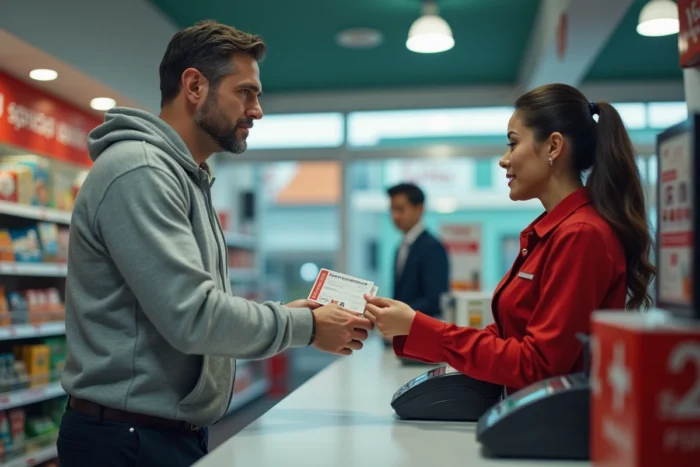
Neither allows you to pay for fuel. The difference lies elsewhere: to use ANCV checks at a gas station for other purchases (adjacent shop, fast food at a highway rest area), the Connect format offers more flexibility as it allows payment to the exact cent, without change given back.
With Classic checks, the merchant is not allowed to give change in cash. If you pay for a meal costing 12 euros with a 20 euro note, you lose the difference. The Connect format avoids this trap, but you must have activated your account and verified that the point of sale accepts payment via the app.
What Highway Rest Area Shops Accept
Some restaurant brands at highway rest areas (especially those affiliated with the ANCV network) accept vacation checks for meals and snacks. You can therefore pay for your lunch at a rest area with vacation checks and keep your cash budget for fuel. Feedback on this point varies: not all rest areas are affiliated, and payment machines do not accept Connect checks.
Before leaving, check the brands accepting vacation checks directly on the ANCV’s online guide, which lists acceptance points by category and location.
Fuel Budget on Vacation: Redistributing Expenses with Vacation Checks
The idea is not to find a roundabout way to pay for gasoline with vacation checks. It’s more about reallocating the vacation budget so that fuel doesn’t weigh as heavily. Specifically, every euro of vacation checks spent on an eligible expense (accommodation, dining, tolls, leisure) is one euro that you don’t have to take out of your checking account.
- The toll, via a toll badge credited with vacation checks, absorbs part of the cost of the highway trip (up to 250 euros per year).
- Accommodation (hotels, campsites, ANCV-affiliated lodges) often represents the largest expense during vacations, and it can be fully paid with vacation checks.
- Leisure activities and cultural visits (parks, museums, affiliated tourist sites) absorb checks that would otherwise have gone unused.
- On-site dining, including at affiliated highway rest areas, allows you to use your remaining denominations without loss.
By accumulating these expenses, you can free up several hundred euros from a budget that would have been paid by credit card and redirect it towards fuel.
Common Pitfalls When Trying to Pay with Vacation Checks on the Road
Several situations frequently arise and deserve to be anticipated before departure.
- Presenting expired checks: Classic vacation checks have a validity period of two years beyond their year of issue. After this period, they are refused everywhere. You can request their exchange from the ANCV, but the process takes time.
- Trying to pay at a toll or gas station machine: no machine reads vacation checks, neither in paper form nor via the Connect app. Payment can only be made with a human at the cash register or via a previously credited electronic toll badge.
- Forgetting to activate your Connect account: switching from the Classic format to the Connect format requires online activation with identity verification, which can take a few days.
The most profitable reflex remains to plan your vacation expenses in advance: credit your electronic toll badge, identify ANCV-affiliated accommodations and restaurants along the route, and convert your Classic checks to Connect if you prefer the flexibility of digital payment. Fuel cannot be paid for with vacation checks, but everything else in the road budget can absorb these checks, making the fuel fill-up easier to manage.